
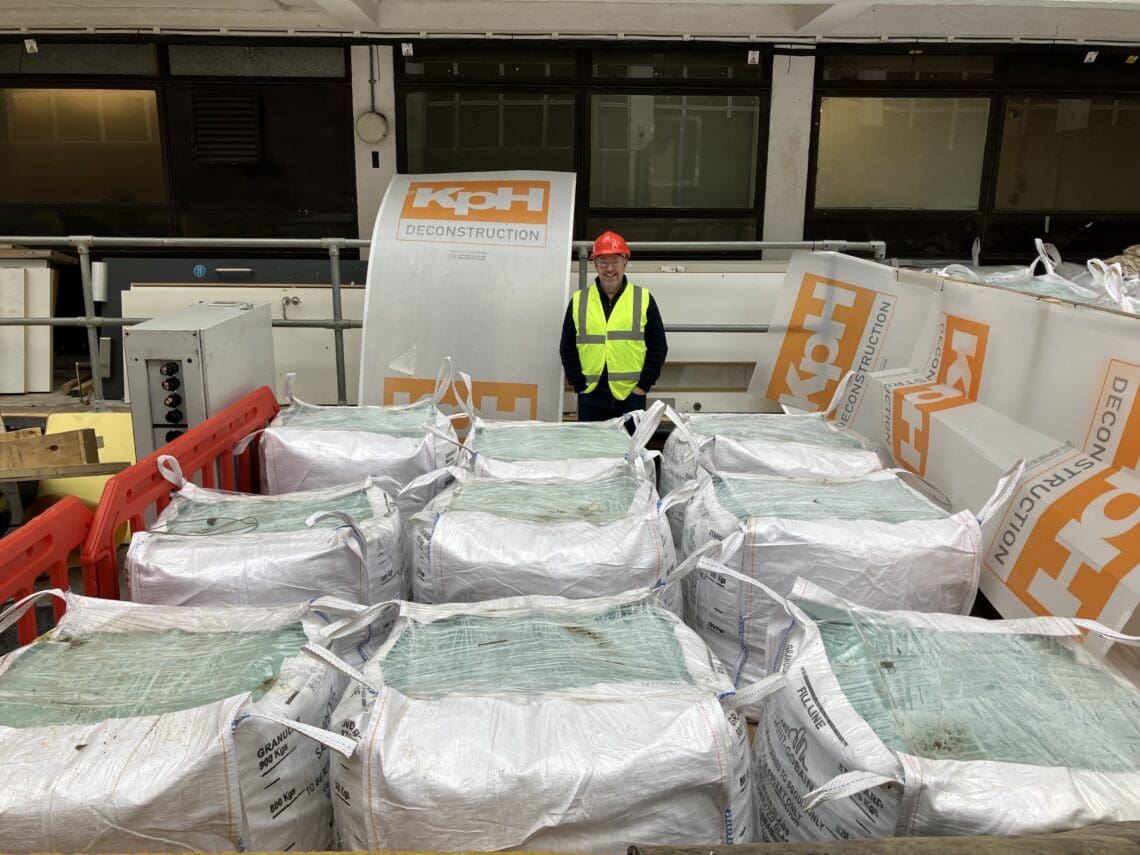
Glass Forever – KpH: It’s a Smashing Success

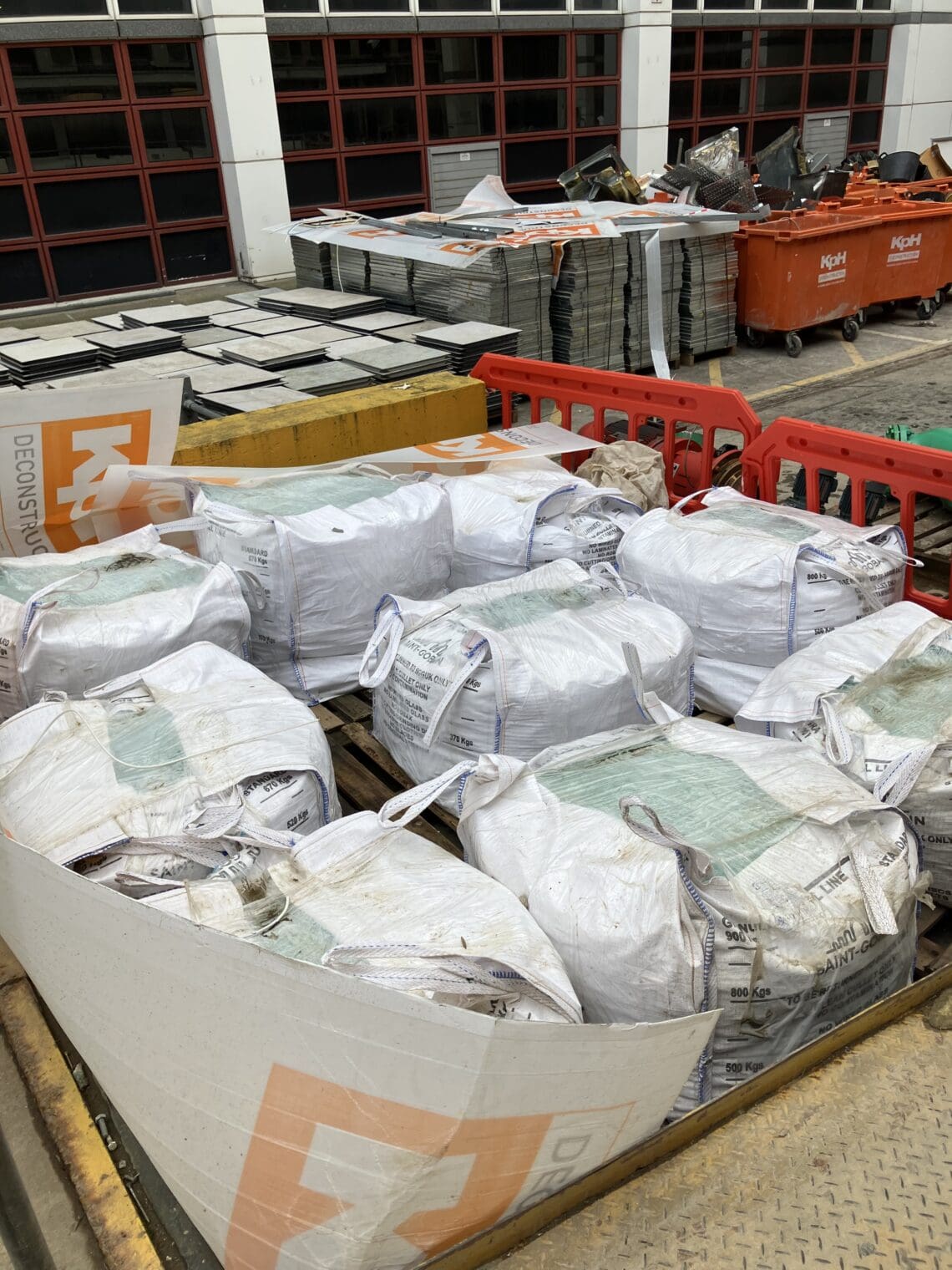
Building on the triumph of our initial collaboration, we are proud to announce another successful partnership with KpH, a leading name in Deconstruction Solutions and Environmental Services. Together, we have completed yet another outstanding Glass Forever recovery project in the heart of Central London. Glass Forever is our circular economy approach to sustainability, and for our post-consumer customers, we’re developing numerous glass recovery models that are simple, effective, and meticulous in approach to ensure optimal output for the clients and Saint-Gobain Glass.
Navigating the Learning Curve
KpH embraced Glass Forever with genuine enthusiasm, navigating the learning curve with clear vision, dedication, and focus. Inspired by our recent joint success, KpH applied the lessons learned from the previous project to enhance their new deconstruction venture. Lyndsey West, Director of Operations Manager at KpH, shared her perspective on the rapid advancements and investments in Glass Forever: “Our teams are fully committed to Glass Forever, and with each project, our knowledge and approach continue to expand. At KpH we approach challenges by asking, ‘How can we tackle this?’ The word ‘can’t’ doesn’t cross our minds because the collaborative approach with Saint-Gobain Glass means we find solutions to help us both continually improve, together.
For example, following an early site visit from Richard Calcutt with our site team, we realised a potential to review all secondary glazing on site, following evaluation we were able to successfully incorporate this into our removal works. Whether it’s refining de-glazing procedures or streamlining glass recycling processes, we are constantly evolving with the teams on both sides, and I’m excited about the future of our relationship with Saint-Gobain Glass.”
Looking Ahead
Committed to fostering our partnership and maintaining a close working relationship, KpH and Saint-Gobain Glass are successfully improving processes and overcoming challenges, such as the management of logistics related to the vertical movement of materials. In this collaborative effort, Saint-Gobain Glass remains dedicated to supporting and enhancing the knowledge of the KpH site team in identifying and safely removing various types of glass. This commitment is pivotal in securing the enduring success of the scheme across a broader range of sites. Our collective focus is on innovation, sustainability, and the ongoing improvement of glass recovery initiatives.
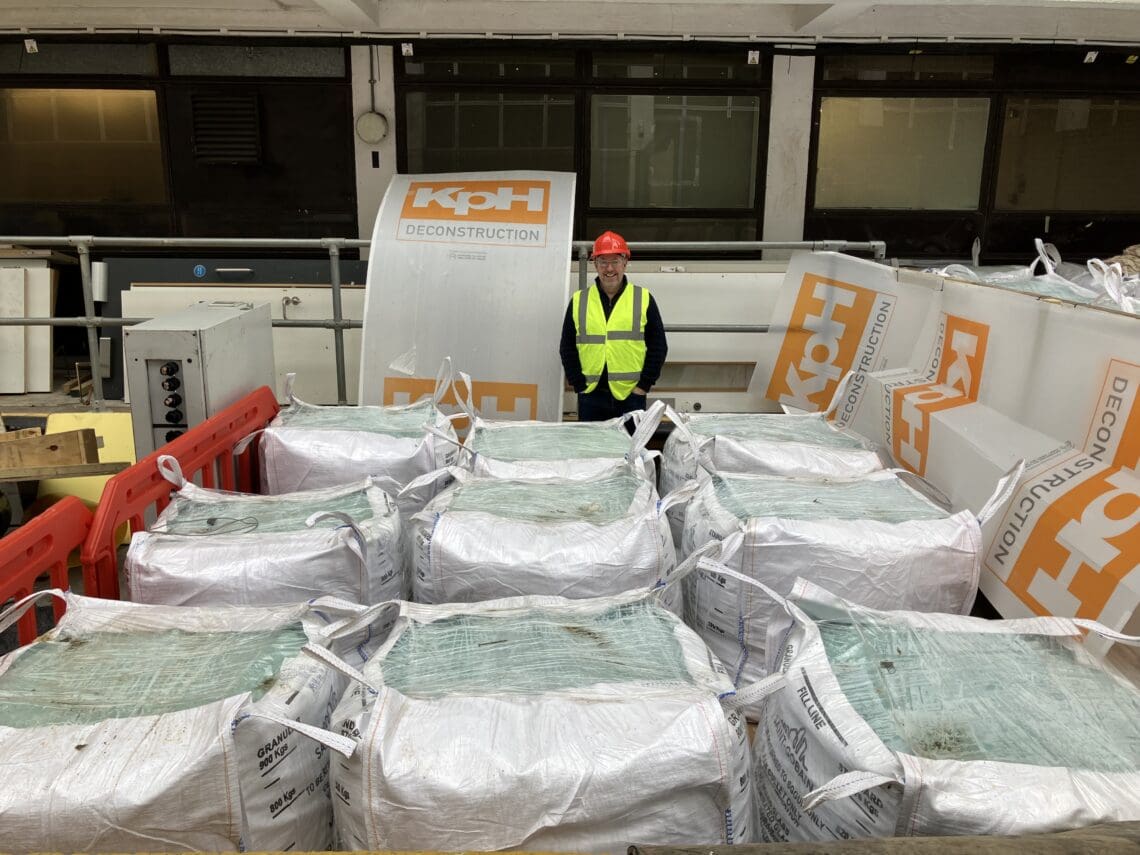
It's been a pleasure working with the teams at KpH. They are genuinely invested in and eager to learn more about sustainability, and truly committed to making this a success. Their motivation is infectious, and together, we are implementing innovative solutions and practices on-site that encourage us to think better, do better, and achieve better. Through this partnership, I've gained a profound understanding of the challenges and barriers that KpH faces on-site, allowing me to provide holistic, considered solutions that align with both of our sustainability objectives positively and proactively
Other case studies you might like
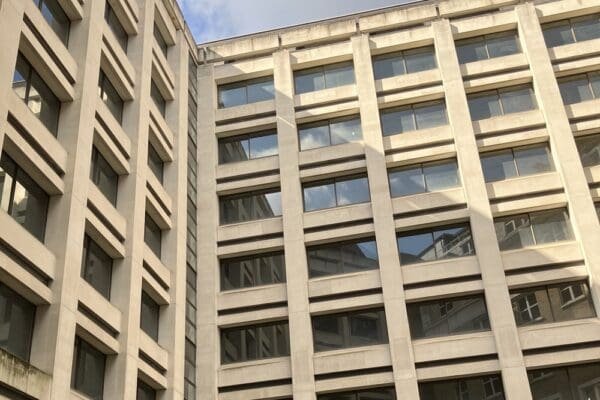
Glass Forever – McLaren Construction Group: 10 Spring Gardens
Established in 1999, McLaren is a privately owned business that is seeing consistent, year-on-year growth. Its diverse portfolio includes hotels, offices, mixed-used developments, residential communities, retail spaces, educational institutions, logistics…
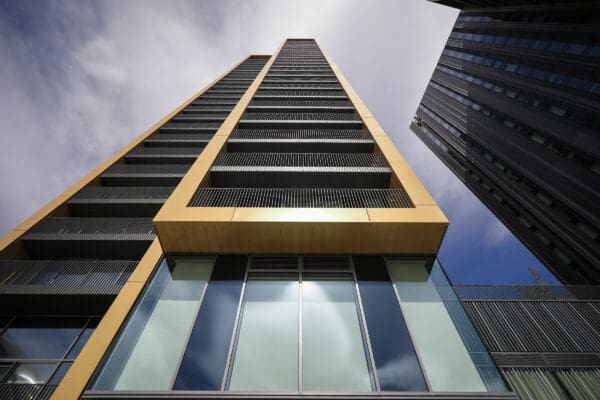
New Victoria, Manchester
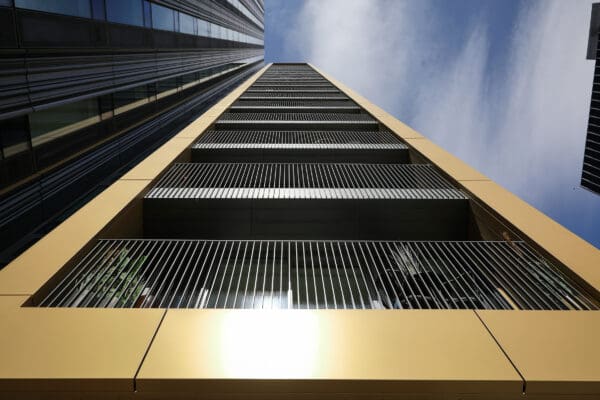
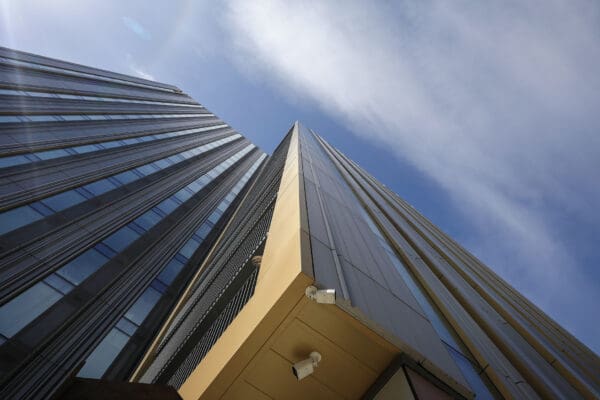
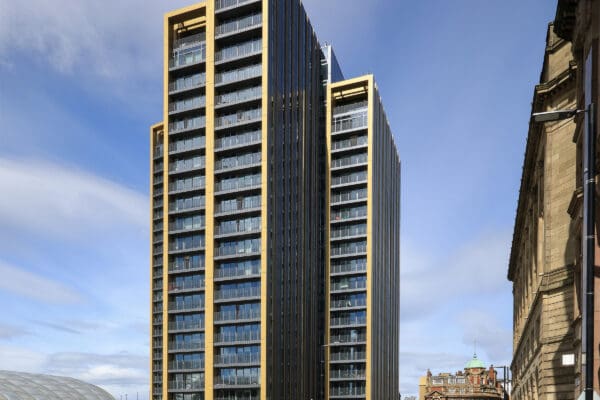
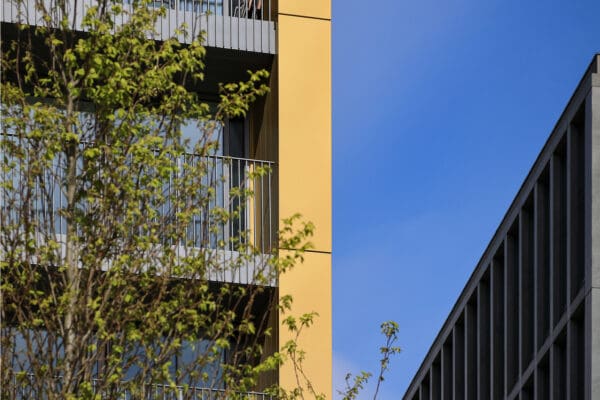
Situated in the bustling heart of central Manchester, New Victoria epitomises vibrant, contemporary urban living. This premium high-rise residential complex features an impressive array of top-tier amenities, including an on-site gym, cinema, and communal co-working spaces. The development encompasses 520 new homes, elegantly distributed across two striking towers of 20 and 25 storeys.
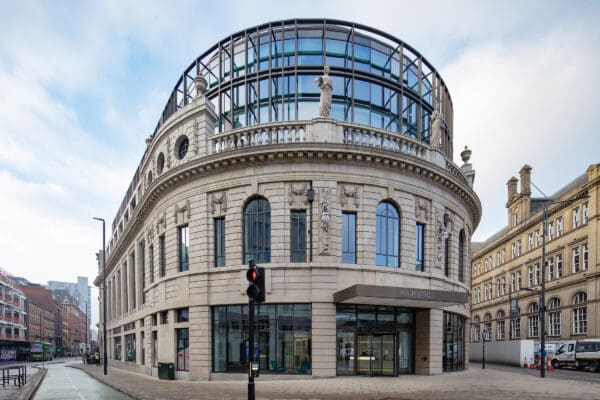
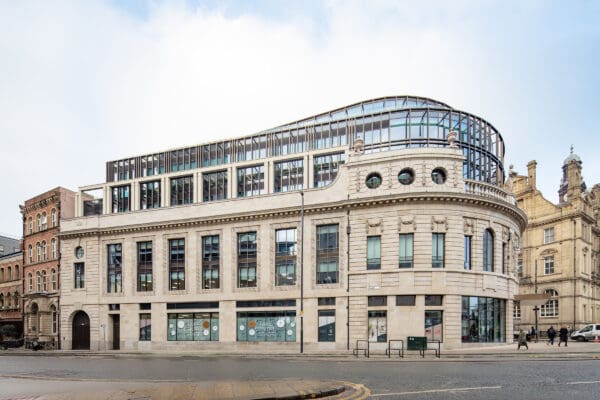
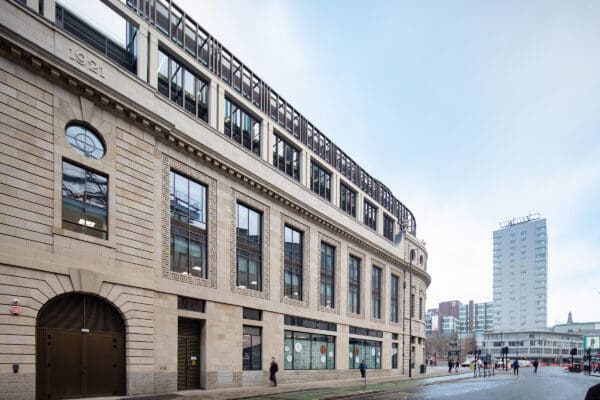
Majestic, Leeds
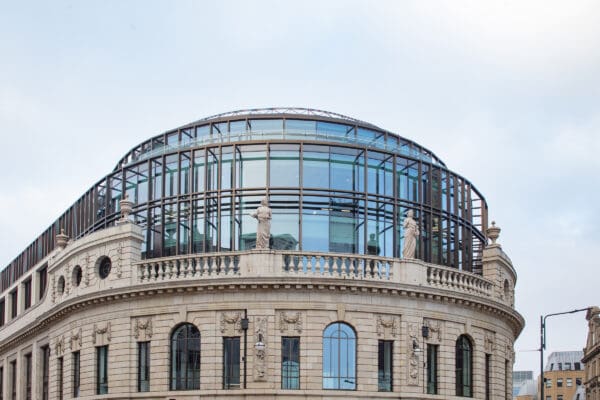
The latest redevelopment works at the Majestic saw the addition of three contemporary glazed storeys to the building, complemented by a new lightwell topped with a glass dome to illuminate the offices. This design accommodates the building’s deep floor plan and replaces the former billboard panels with new openings on the ground floor, blending historical significance with modern functionality.