
Glass Forever – Principle Demolition: Sustainability First Ethos

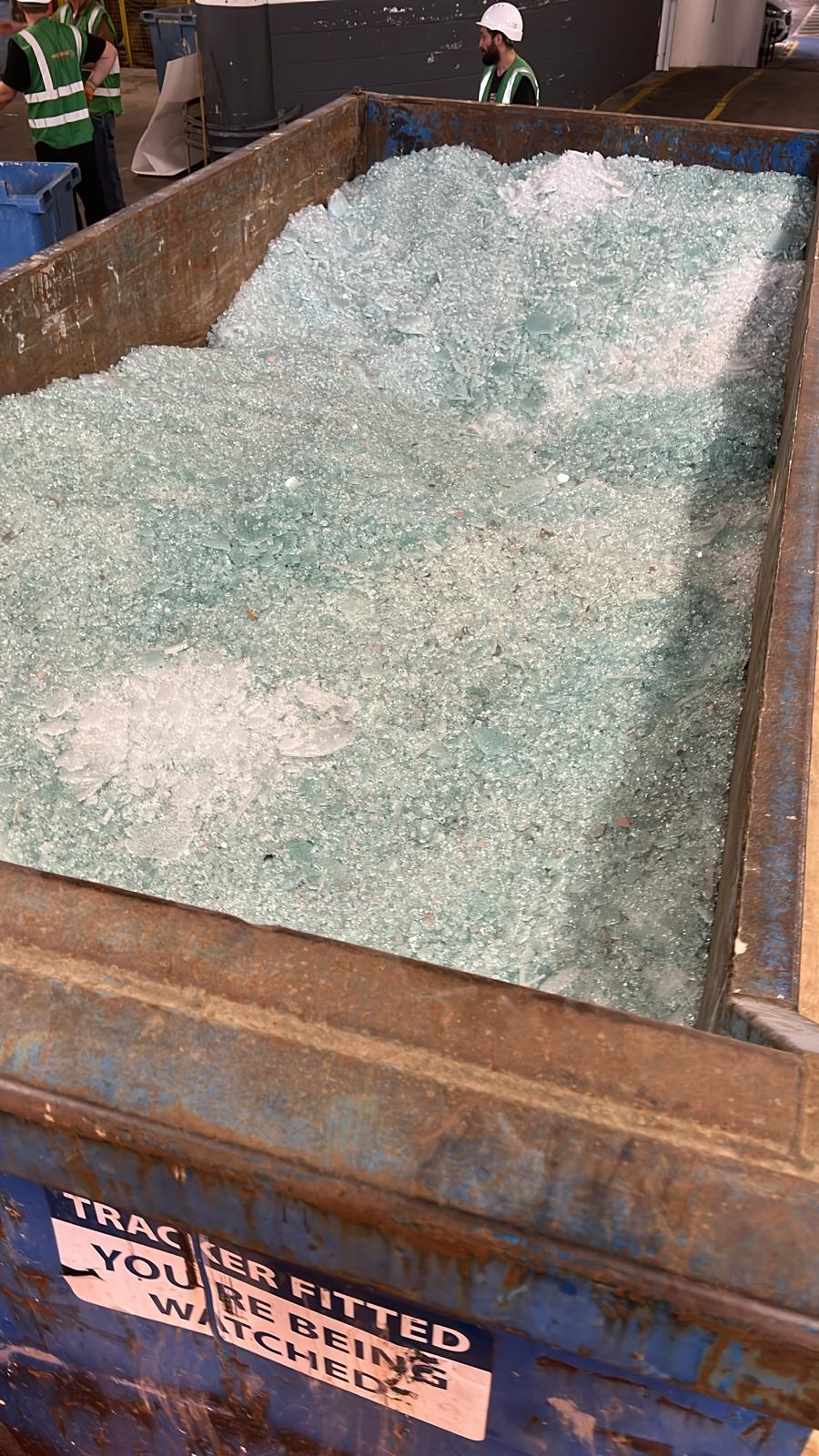
Principle Demolition undertakes a wide range of soft strip and structural alteration contracts, consistently delivering high-quality and efficient services. Committed to expanding its glass recycling capabilities, Principle Demolition collaborated with the Glass Forever team at Saint-Gobain Glass to collect waste glass material from 40 Grosvenor Place, London.
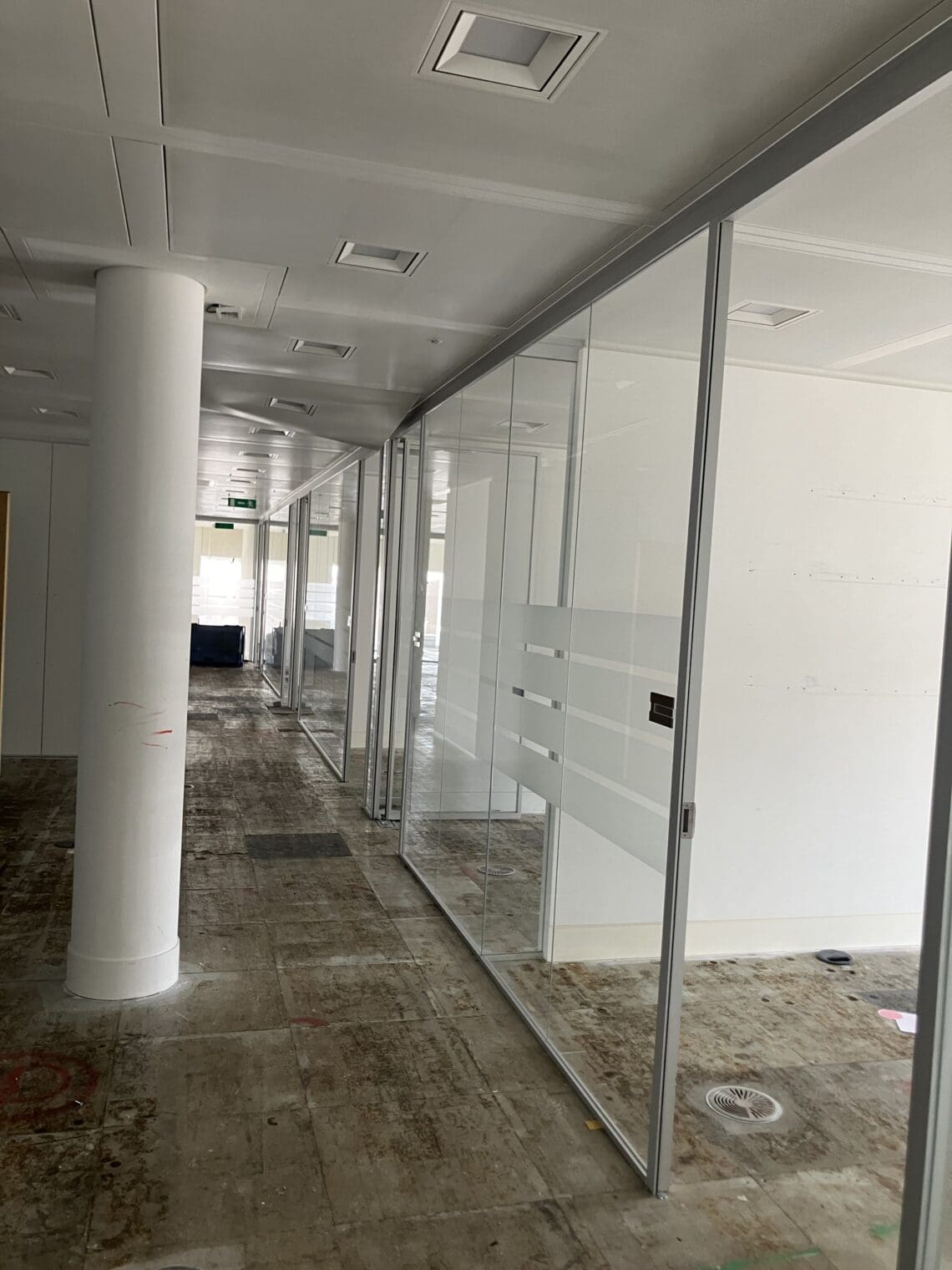
Constructed between the mid to late nineties, Grosvenor Place is a six-storey building featuring a communal central atrium with o ces on other levels. Principle Demolition’s project involved the soft strip and salvage of approximately 14,000m2 of office and retail areas back to the shell over five floors, while the ground and first floors remained fully occupied and operational with existing tenants.
Sustainability first ethos
Principle Demolition operates with a sustainability-first ethos, and Glass Forever demonstrated an efficient and effective glass collection methodology. Under the Glass Forever programme, it was calculated that for every tonne of recycled cullet collected from a site, 1.2 tonnes of virgin raw materials would be saved. This approach has significant long-term benefits for conserving natural resources, making Glass Forever’s circular economy principles a sensible standard practice.
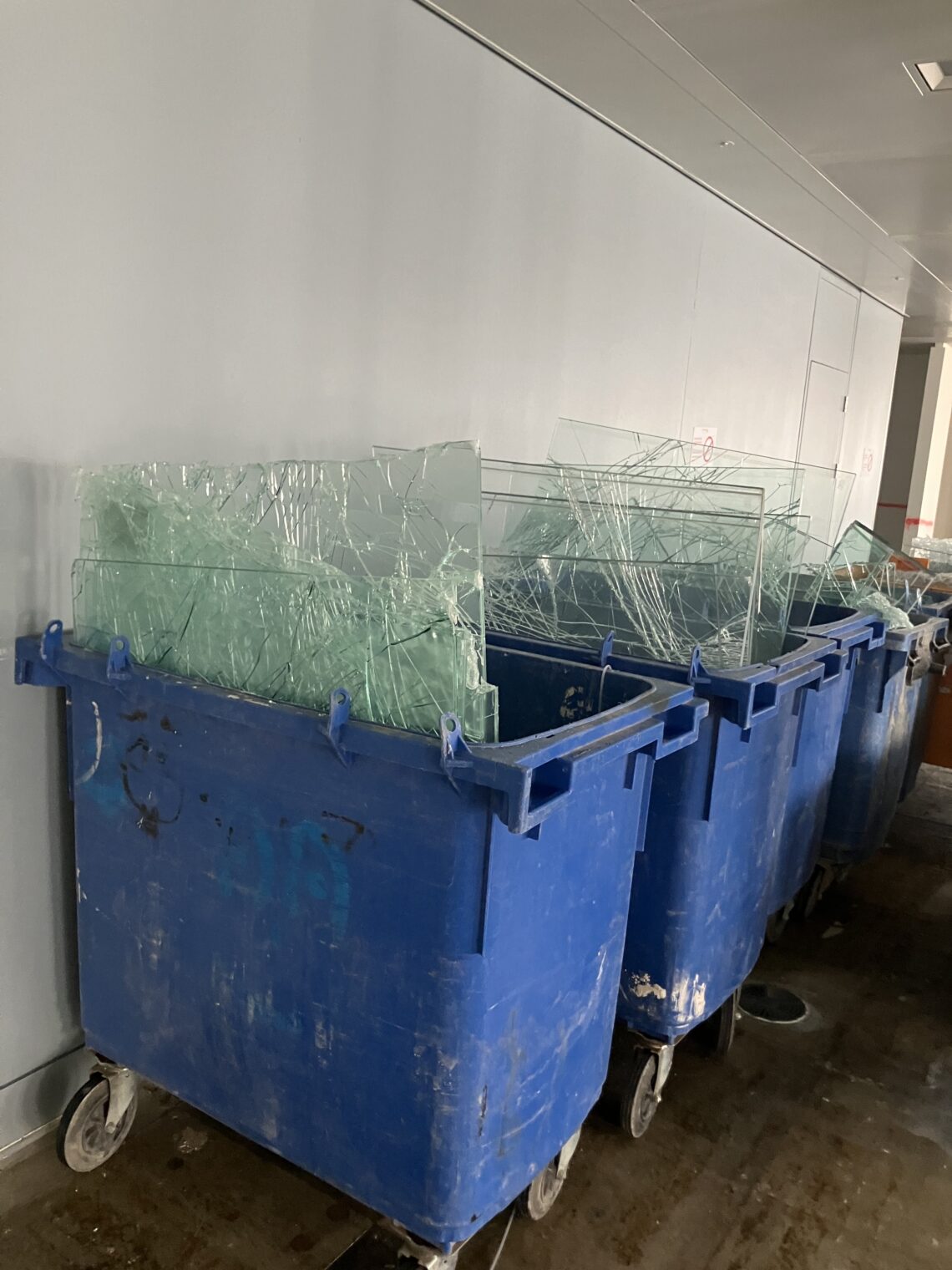
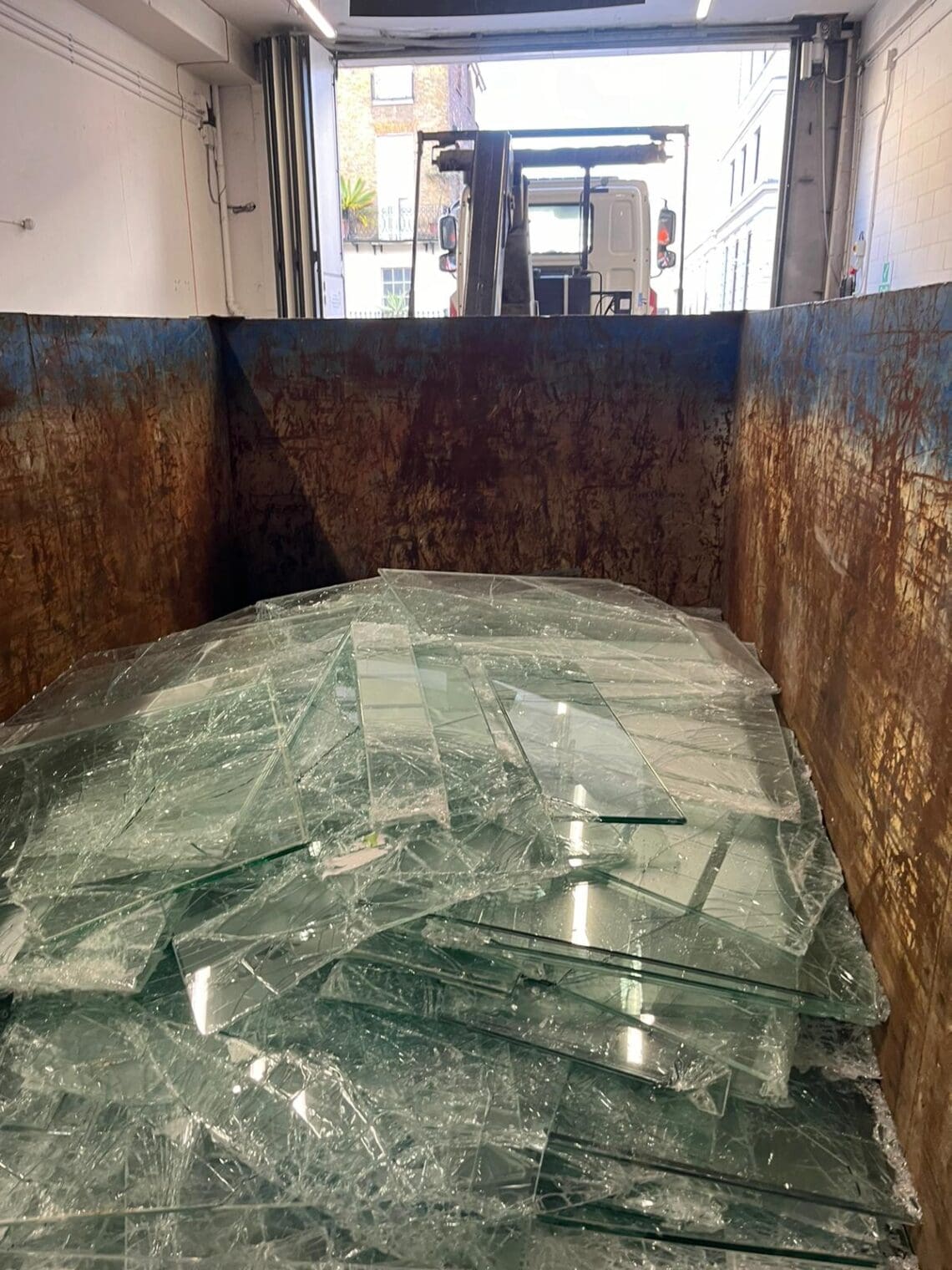
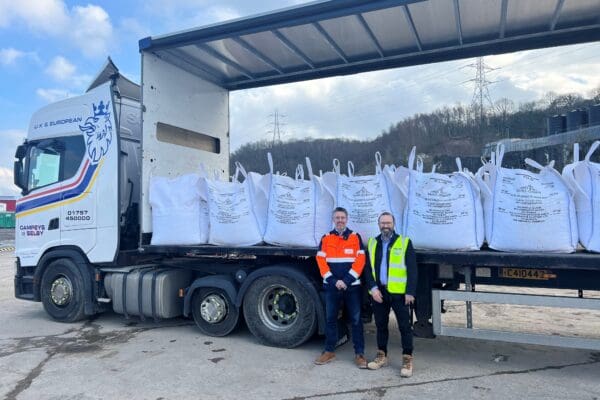
Principle Demolition swiftly integrated the Glass Forever programme into its operations. Within 48 hours of the initial site visit, they began collecting the first load of cullet using roll-on, roll-off (RoRo) skips. This efficient recovery method allowed the entire collection process to be completed in just three weeks.
A highly motivated team
Richard Calcutt, Technical Project Manager at Saint-Gobain Glass, commented on the success: “The Principle Demolition team approached this project with high levels of motivation. They were well into their deconstruction work when we joined, and they employed clever collection and segregation methods. They understood the importance of preventing cullet contamination and effectively transported it off-site. In just three weeks, we recovered 41.9 tonnes of glass from the site, saving 50.3 tonnes of virgin raw materials and 29.3 tonnes of CO2. A fantastic result.”
“With sustainability and the circular economy foremost in our approach to carrying out and completing the numerous soft strip and structural alteration jobs we do; working with Saint Gobain Glass enhanced our ability to achieve the highest possible recycle rates for this project. Glass, among the various waste streams of materials and products we handle, can now be recycled for as long as possible, thanks to collaborations like this.” Rob Unwin, Contracts Manager at Principle Demolition Ltd.
Other case studies you might like
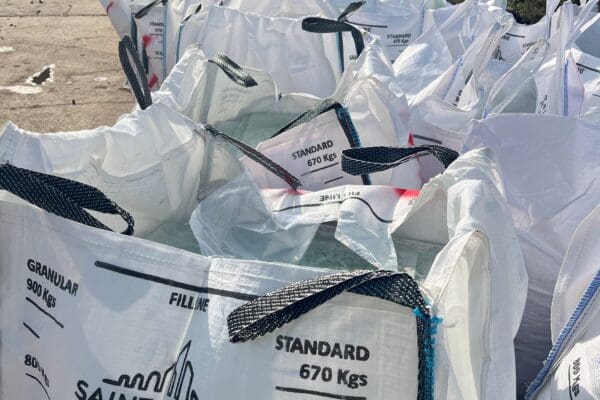
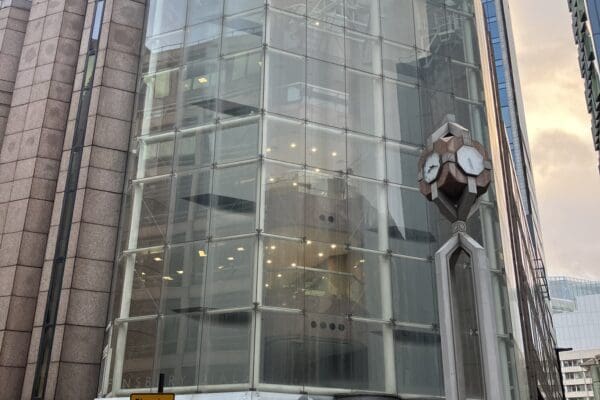
Glass Forever – Erith: Enabling Sustainable Services
With over 50 years of providing sustainable enabling services, Erith stands as a prominent contractor specialising in turnkey solutions for clients across the UK. The alignment of Erith’s five-year strategic plan and daily activities with the UN Sustainable Development Goals underpins their commitment to innovation and positive interventions to achieve sustainable development
Glass Forever – Sternfenster: Transforming Waste Recycling
Based in Lincoln, Sternfenster is a family-owned company specialising in the manufacture and installation of PVCu and aluminium doors, windows, and conservatories. Sustainability lies at the heart of operations for Sternfenster, evident through initiatives such as a fully electric vehicle fleet for the sales team and the installation of solar panels at their cutting-edge 110,000-square-foot factory. These panels contribute to 30% of the factory’s electricity usage, positively contributing to the company’s carbon emissions targets.
Zurich Office Swindon
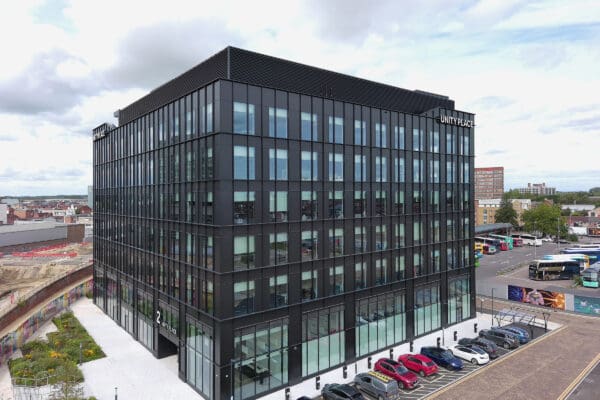
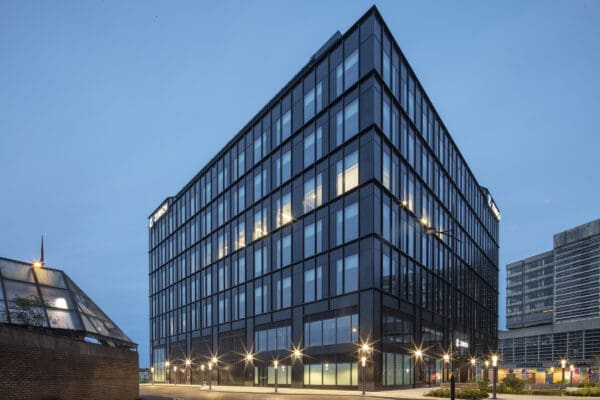
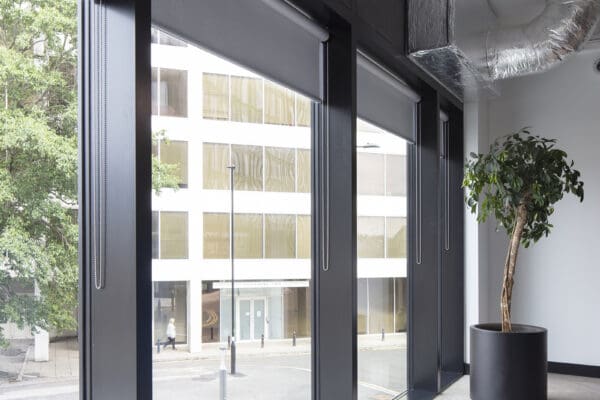
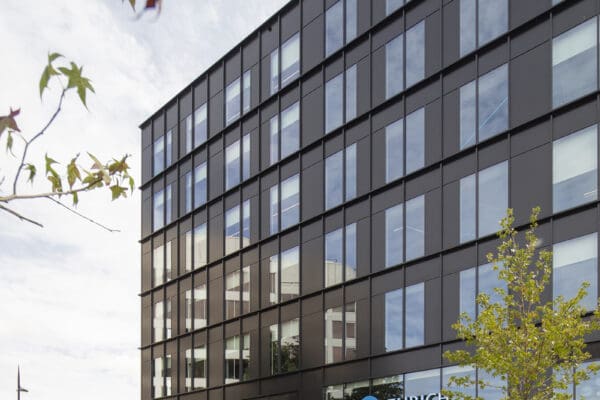
In the first quarter of 2023, Zurich, a renowned global multi-line insurance provider, opened its new office space in Swindon. The building marks a significant milestone in the company’s commitment to serving a workforce of more than 1,000 employees. Designed and built with a sustainability-first focus, the building places the well-being of its employees and the local environment at the forefront of its design and construction.