
Keltbray is a UK, specialist construction, engineering services business, offering a uniquely integrated delivery capability, spanning key phases of the client value chain – design management, civil engineering, geotechnical, construction waste management, demolition and decommissioning, piling and reinforced concrete structures and remediation.
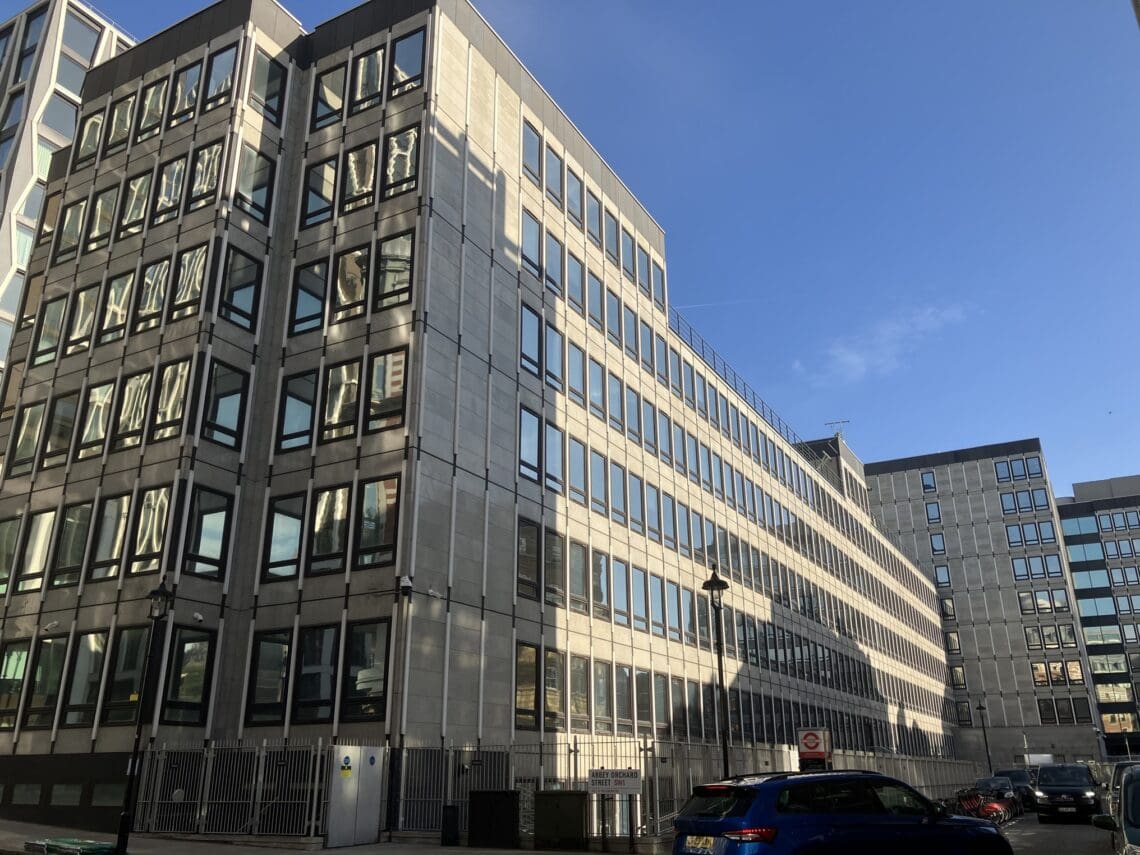
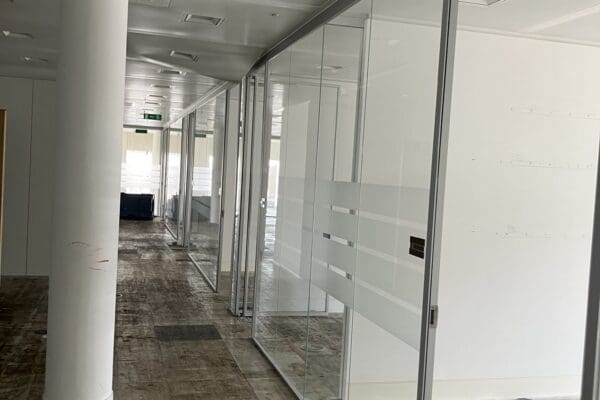
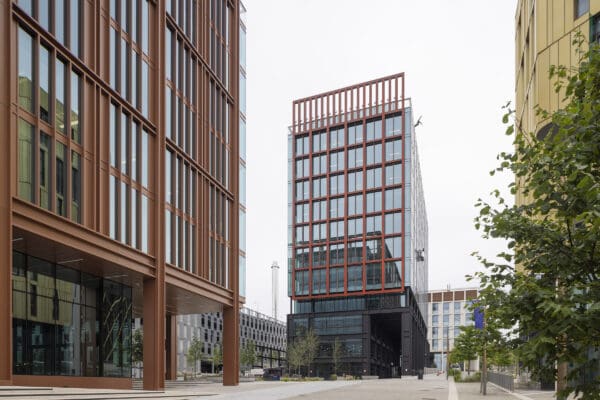
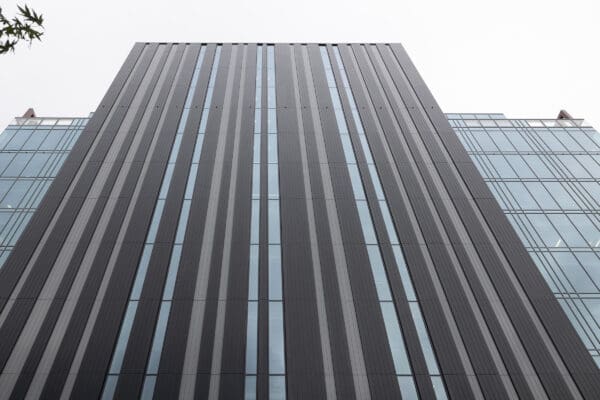
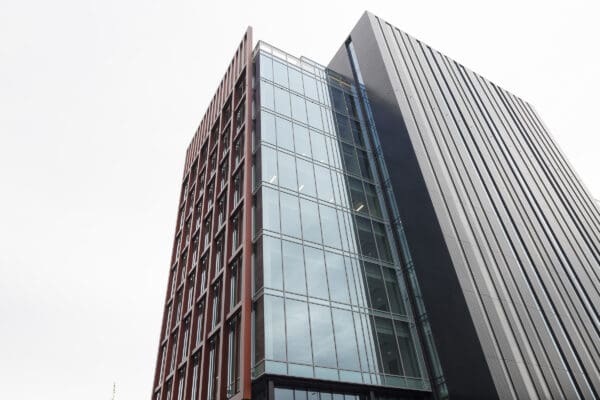
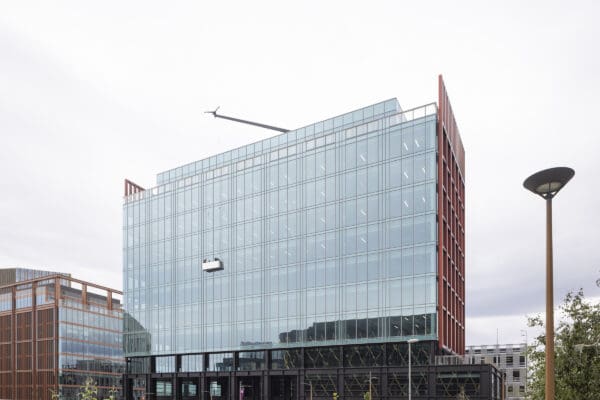
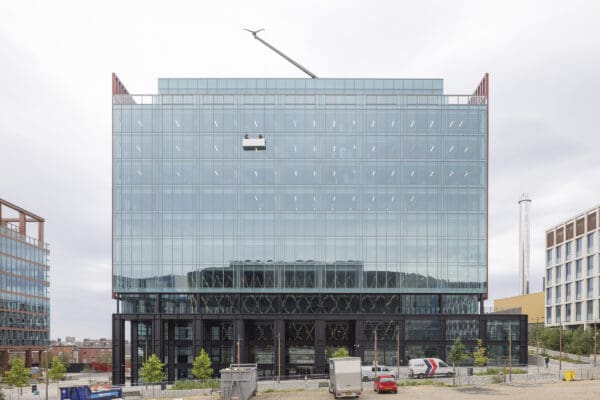
Keltbray has recently partnered with Saint-Gobain Glass to recover glass from One Victoria Street, an urban regeneration project in Central London, as part of Saint-Gobain’s Glass Forever programme.
The collaborative project involved three key stages, scoping the project requirements, removing the glass from the building and transporting the
recovered glass back to Saint-Gobain Glass’ manufacturing site in Eggborough.
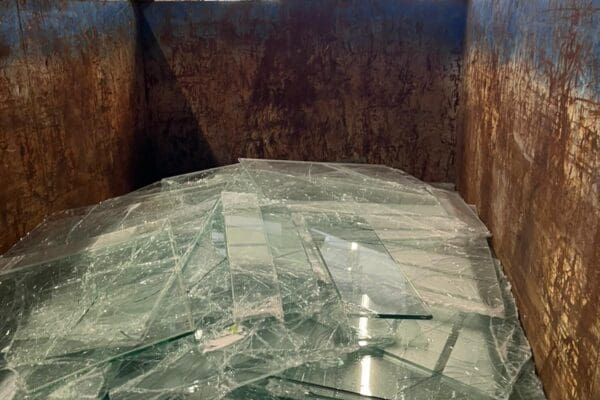
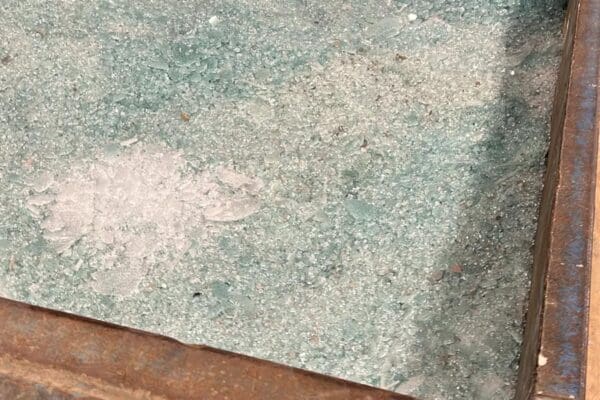
Richard Calcutt, Saint-Gobain Glass’ Technical Project Manager, met with the Keltbray team on-site to discuss the requirements of the glass recovery project and to audit the site, to better understand how the glazing could be removed from the building, processed into cullet and stored, before being returned to Saint-Gobain’s glass furnace.
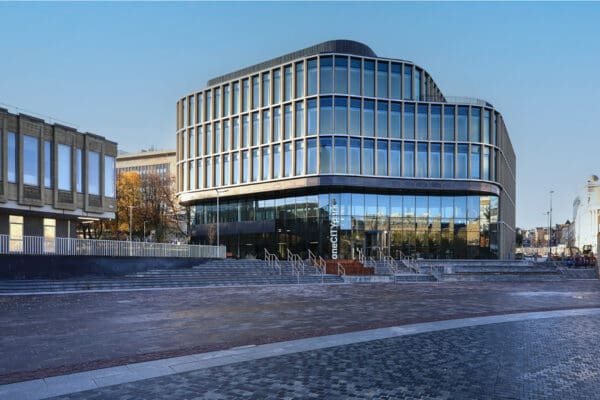
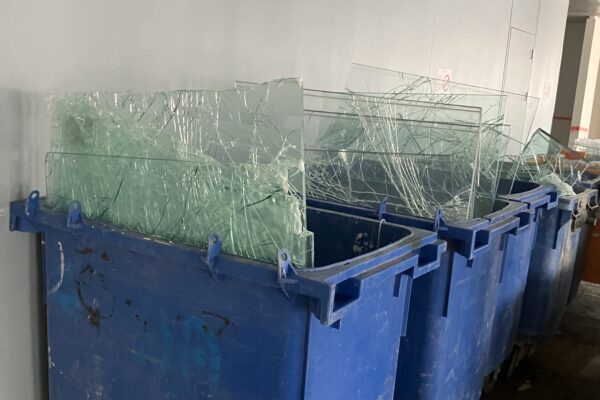
The building featured a combination of glass applications, including a complex, glazed façade, secondary glazing and internal partitioning, that had to be carefully removed and broken down into cullet, using new innovative solutions for deglazing. The cullet was collected into both purpose-built cullet bags and roll on roll o skips, then transported using specialist transport, back to Saint-Gobain Glass.
During the recovery process the team recycled several different glass types, that each provided challenges, including laminated glass that had to be removed and cut down in size to transport, secondary glazing that featured both toughened glass and laminated glass, and very thick security, laminated glass that required an innovative recovery solution.
Steve Pallister, Senior Project Manager at Keltbray commented: “Working with Saint-Gobain Glass, the One Victoria Street Project team was committed to exploring the various opportunities to maximize the re-use of glass, undertaking various trialling and techniques to refine the recovery and processing of materials available within the existing structure. With committed efforts from the Keltbray team under Saint-Gobain’s guidance, the project was able to achieve a record quantum of recovery, demonstrating that by working collaboratively and improving methods efficiency and handling, the industry can achieve great traction in making the process and recovery of materials second nature and a key part of inner-city regeneration and refurbishment. A great achievement and milestone by both Keltbray and Saint-Gobain Glass, in redefining what’s possible within collaborative working and aligned commitment.”
*One tonne of cullet saves 1.2 tonnes of raw materials.
**One tonne of cullet prevents 700kg of CO2 going into the atmosphere (Scopes 1,2 & 3).