The Black and White Building

The Building
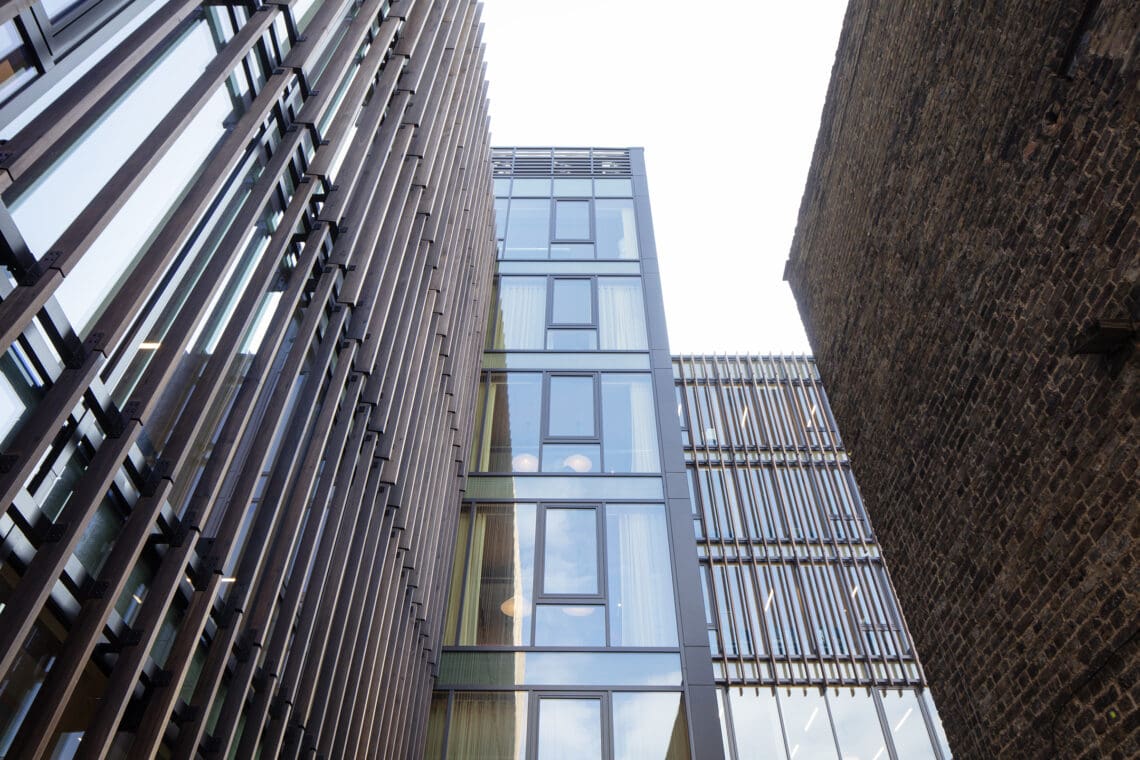
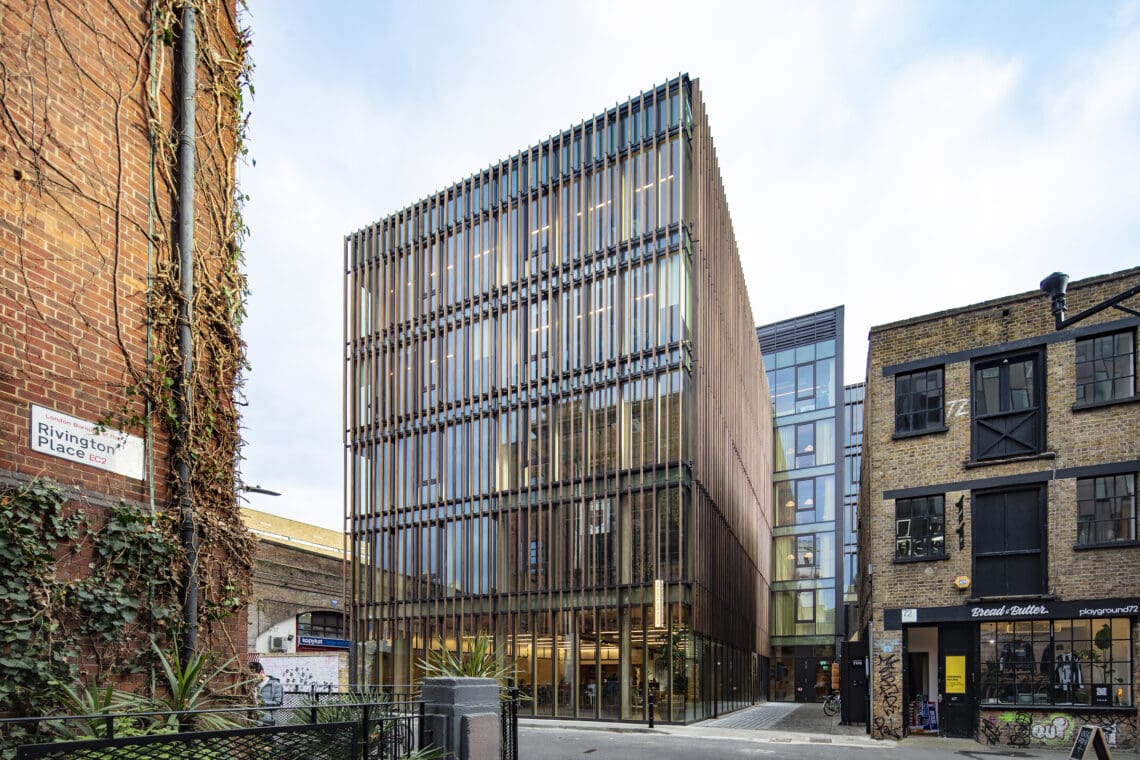
Showcasing a unique approach to workspace design with a strong emphasis on sustainability, this remarkable structure stands as the tallest engineered timber office building in central London, offering a flexible, shared workspace solution for businesses.
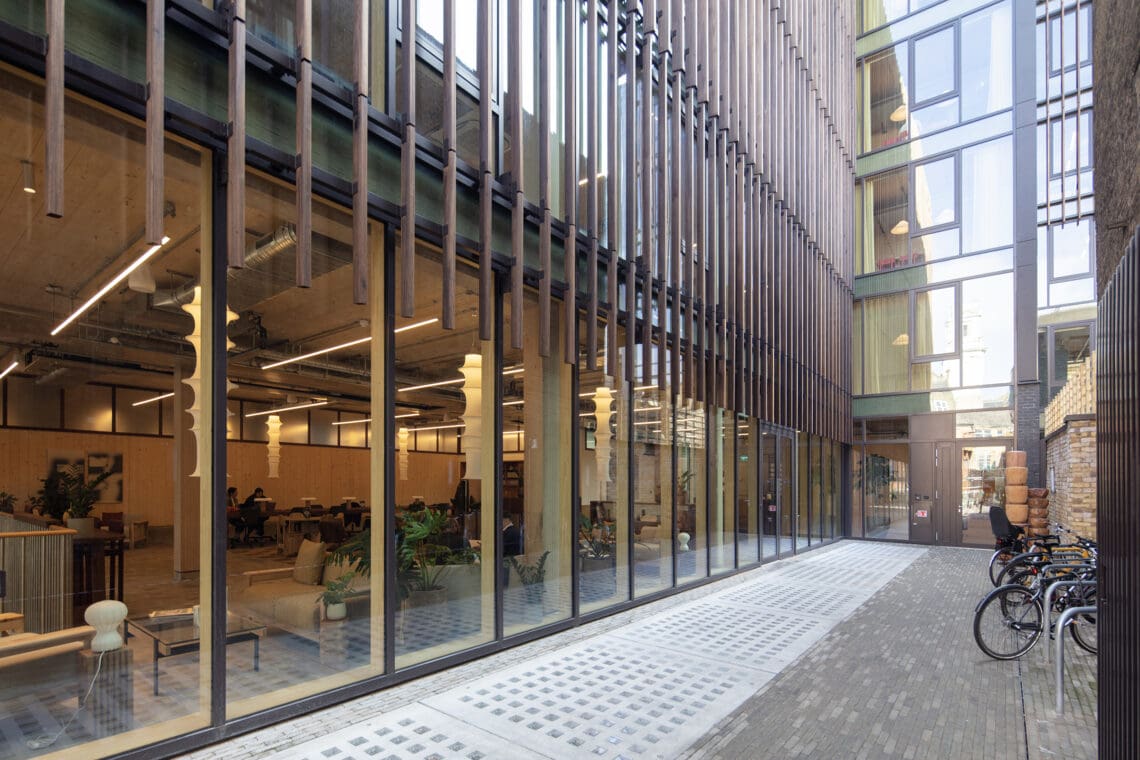
The Black and White building’s hybrid structure is a testament to modern engineering ingenuity, featuring a framework crafted from beech LVL (Laminated Veneer Lumber) complemented by CLT (Cross-Laminated Timber) slabs and core. This design allows for the creation of expansive, open workspaces, eliminating the need for internal partition walls. Additionally, meticulous coordination of mechanical, electrical, and plumbing (MEP) systems minimises visual disruption, ensuring adaptability to future needs.
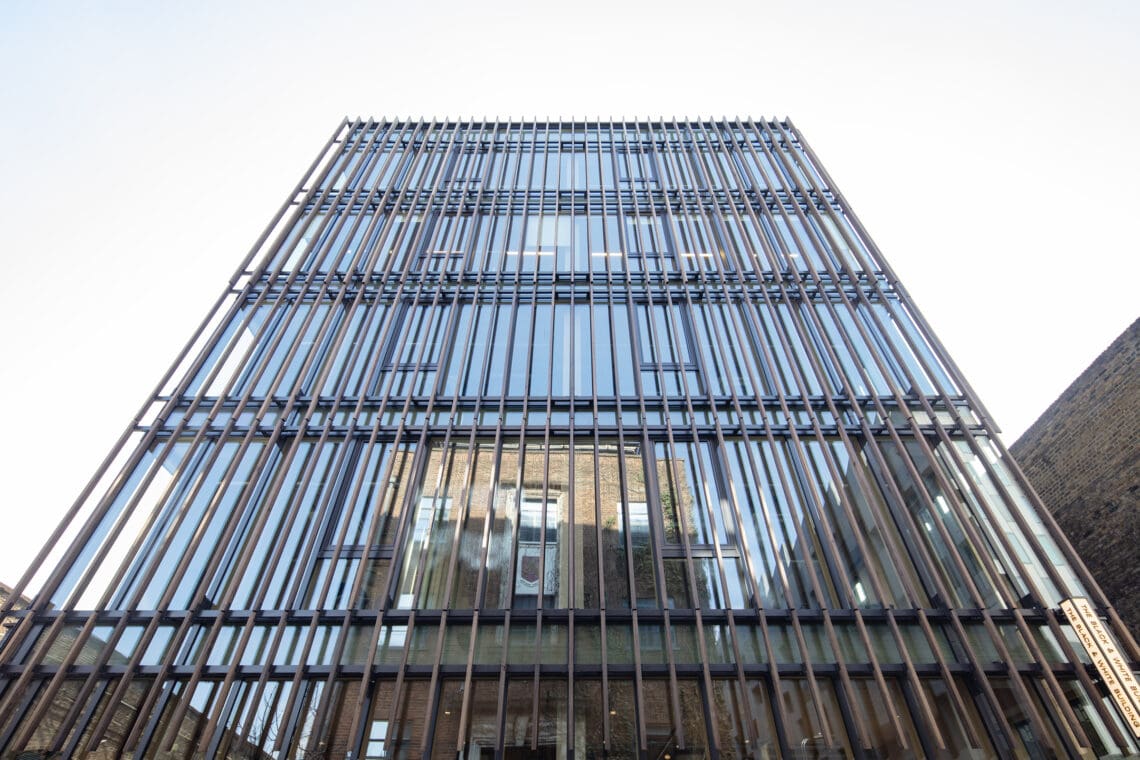
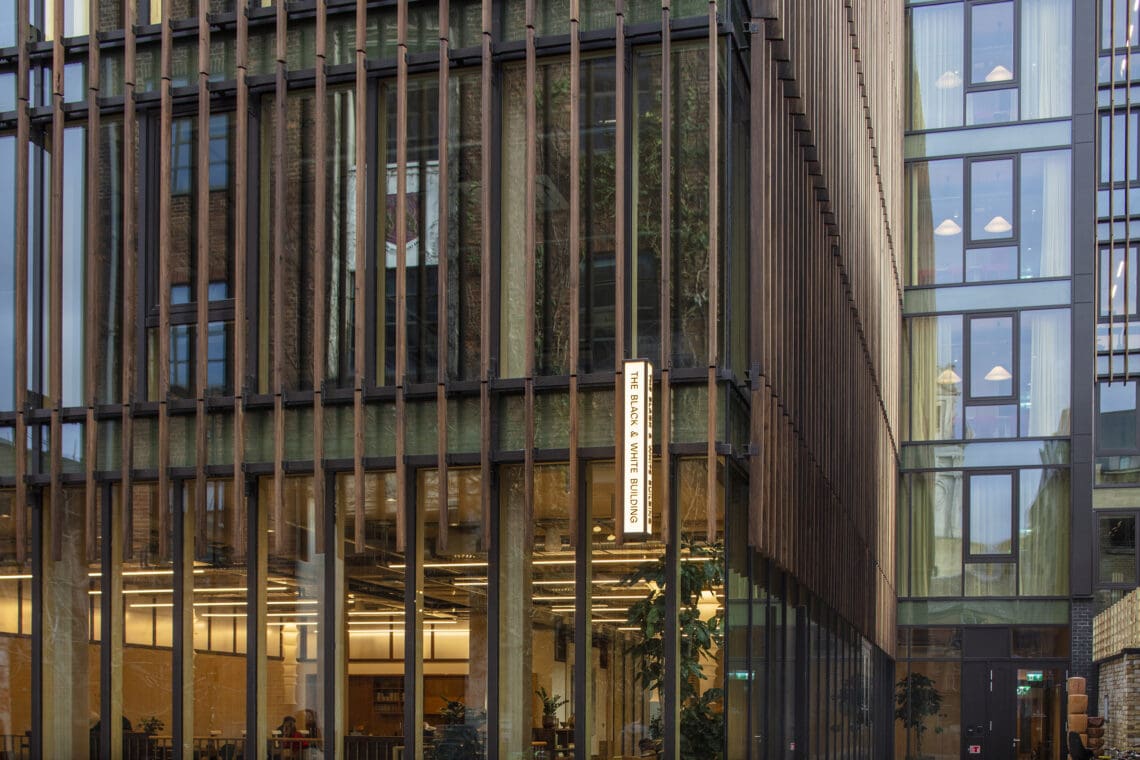
The state-of-the-art timber framework is elegantly framed by a glazed curtain wall, providing ample natural light and connectivity to the surrounding environment. To mitigate solar heat gain, a second skin of vertical timber louvres offers effective solar shading. These louvres are strategically positioned based on a parametric model, which simulates the movement and impact of the sun against the building’s façade. This innovative approach, blending timber construction with advanced digital environmental analysis, exemplifies the evolution of 21st-century architecture.
The Glass
Used in the curtain walling of the building SGG COOL-LITE® SKN 183 delivers high light transmission capability. Its high light transmission capability is a key feature, flooding the interior spaces with abundant natural light and fostering a bright and welcoming atmosphere.
Beyond its impressive light transmission rate, SGG COOL-LITE® SKN 183 offers superior thermal insulation properties. This ensures the creation of a comfortable indoor environment while simultaneously reducing energy consumption, aligning perfectly with the sustainability objectives of the project.
Moreover, the glass’s effective solar control capacity is noteworthy, efficiently managing solar heat gain and ensuring optimal thermal comfort within the building throughout the day. The minimal external reflection of SGG COOL-LITE® SKN 183 further enhances its appeal, allowing for seamless integration with the building’s surroundings and enhancing the overall aesthetic of the façade.
Internally, the glass provides clear and unobstructed views, enhancing the visual experience for occupants and fostering a sense of connectivity with the external environment. This neutral and low internal reflection further contributes to the building’s overall design integrity and occupant comfort.
Other case studies you might like

Glass Forever – McLaren Construction: A Circular Economy
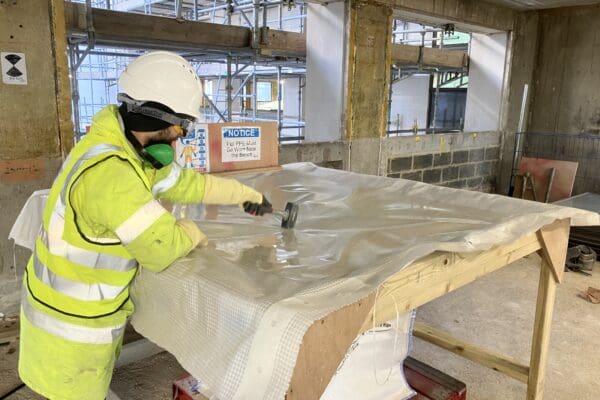
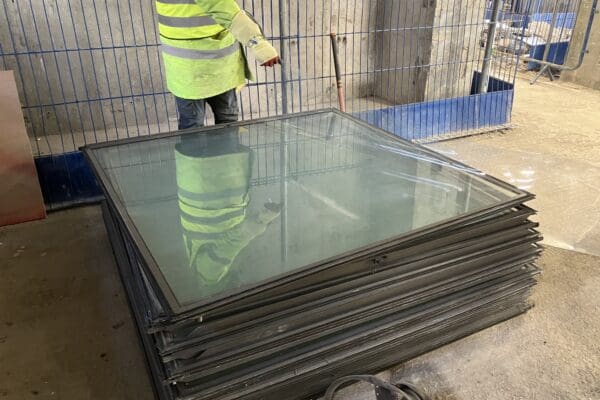
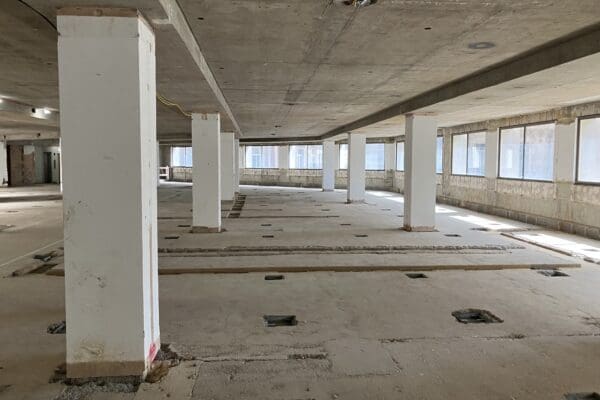
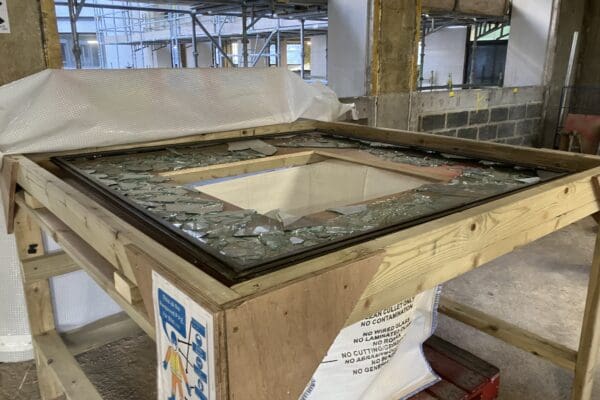
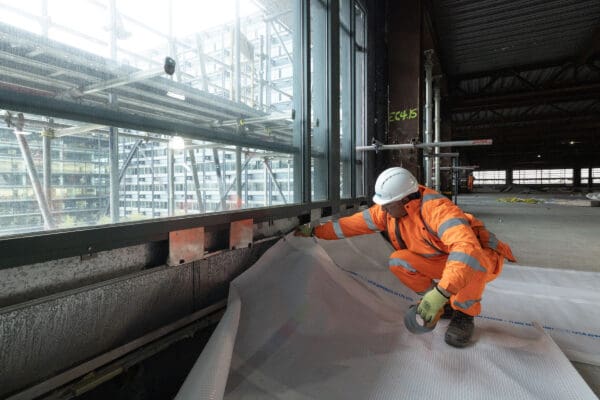
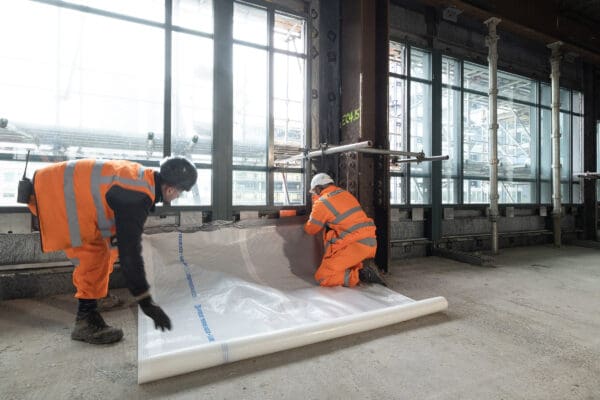
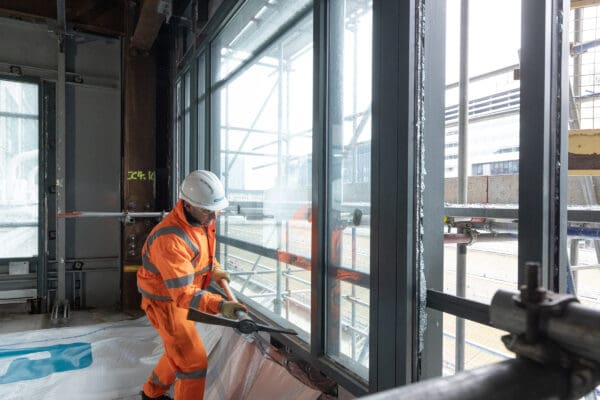
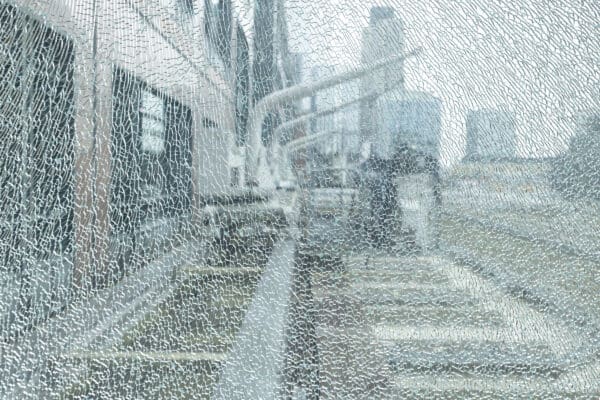
McLaren has worked with Getjar, a specialist, construction company, to recover the post-consumer glass from a project in London that was undergoing refurbishment. The project is an excellent example of a circular economy for glass, as the glass taken from the building will be remanufactured by Saint-Gobain Glass into new, high-performance, flat glass, products. When complete, the refurbished building will be a net-zero building.
The Spark Newcastle
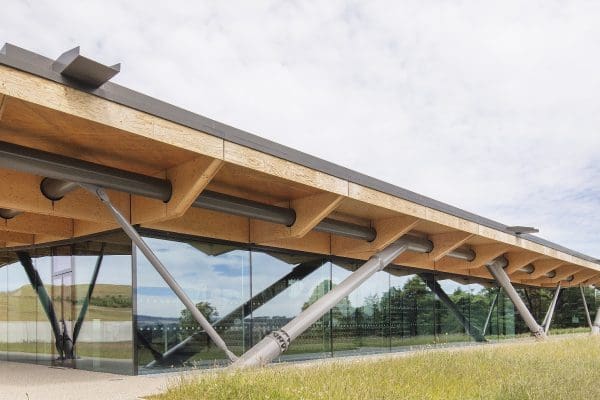
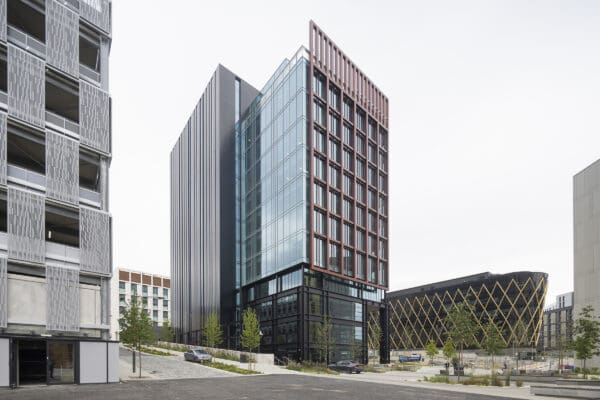
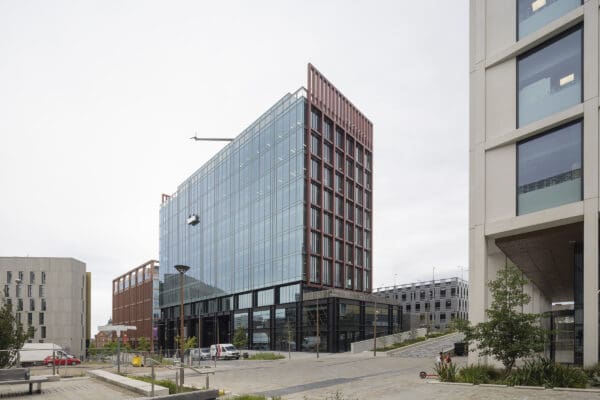
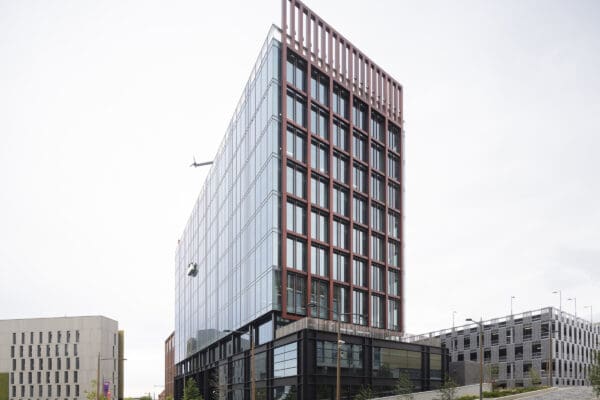
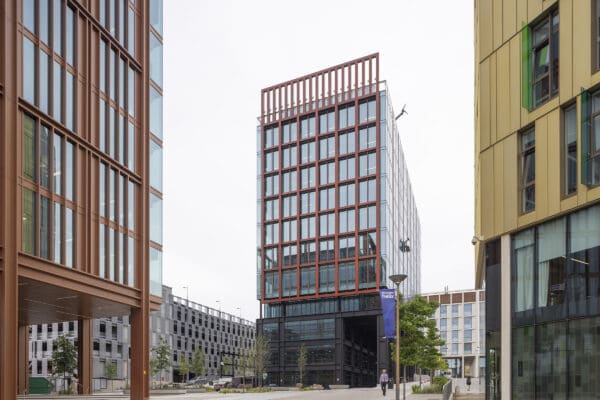
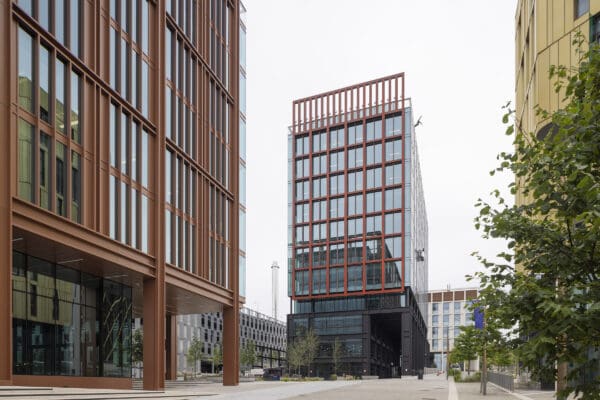
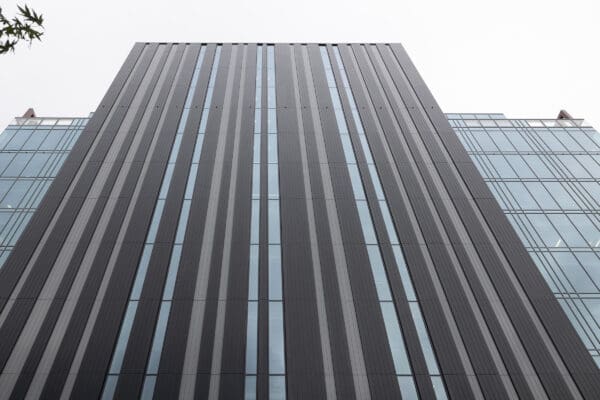
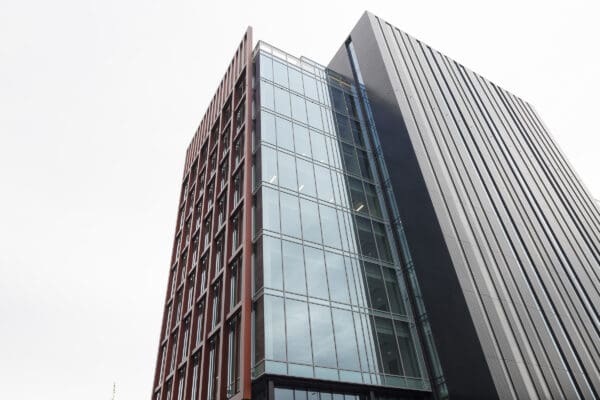
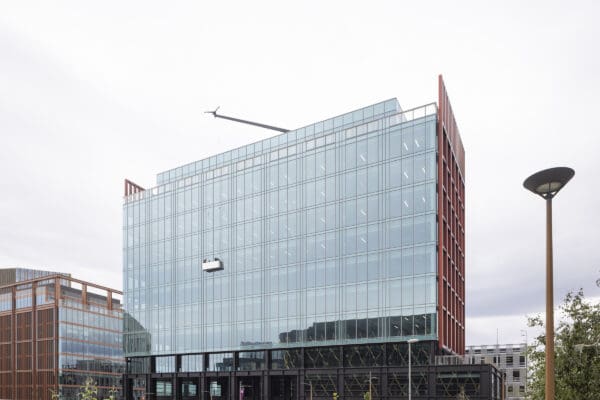
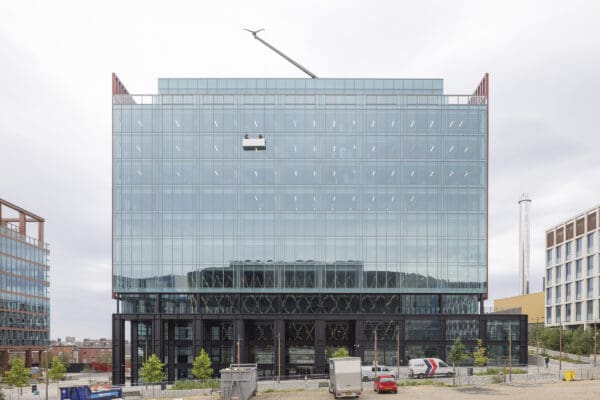
As a landmark office space completed in 2022, The Spark has successfully established itself as a leading destination for businesses in Newcastle. Emphasising collaboration, cutting-edge design, and state-of-the-art amenities, it provides an inspiring working environment for both established enterprises and innovative start-ups. The Spark prioritises connectivity and sustainability, aligning with the evolving needs of the modern workforce
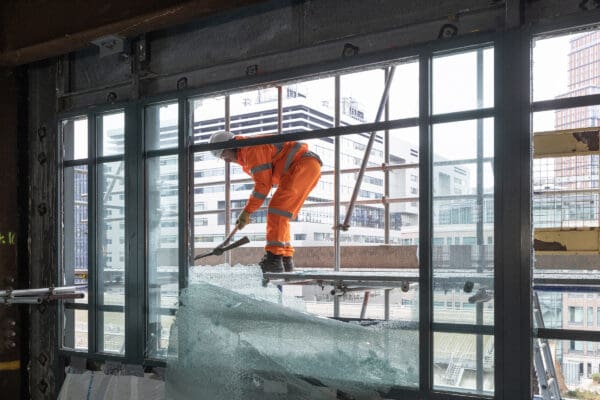
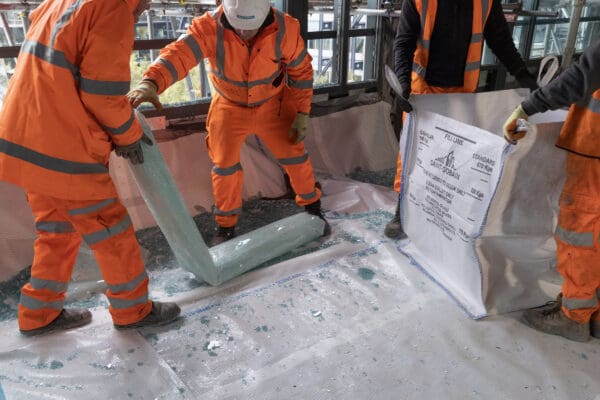
Glass Forever – John F Hunt: Collaborative Success
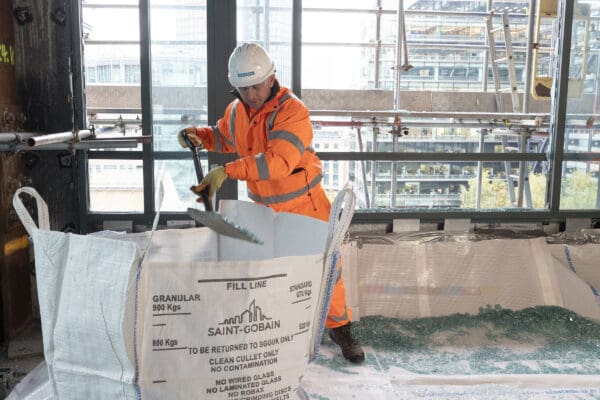
In the spirit of advancing sustainable practices within the UK construction industry, Saint-Gobain Glass is working collaboratively with John F Hunt, a respected construction firm with a heritage dating back to 1982 to implement our Glass Forever programme. This partnership reflects a shared commitment to circular economy principles, environmental responsibility, and a collective vision for promoting transformative change.