Glass Forever – Principle Demolition: 123 Judd Street

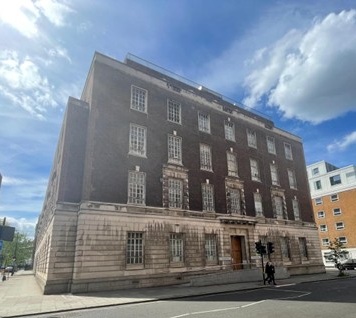
123 Judd Street is a hotel development by Dominus in Bloomsbury, London WC1H. The building is a utilitarian brown-brick composition typical of mid-20th-century civic infrastructure and is identified as a “Bloomsbury Positive Building” within the Bloomsbury Conservation Area.
Designed by Stiff + Trevillion, the project involves the retention, refurbishment and upgrading of the existing post-war Kelvin House telephone exchange into a high-quality hotel (240 rooms), with selective roof alterations. A very high percentage of the existing structure, including the external walls and primary frame, will be retained to minimise embodied carbon.
Principle Demolition undertakes a wide range of soft strip and structural alteration contracts, consistently delivering high-quality and efficient services. Committed to expanding its glass recycling capabilities, Principle Demolition collaborated with the Glass Forever team at Saint-Gobain Glass to collect waste glass material from 123 Judd Street.
The project offered a combination of both toughened and laminated glass products from internal partitions and secondary glazing. The glass was reduced in size on site maintaining the necessary clean quality controls, placed into Saint-Gobain Glass cullet bags, collected by Glassolutions Thurrock and then returned to Saint-Gobain Glass on a return trip vehicle.
Richard Calcutt, Technical Project manager at Saint-Gobain Glass commented: “Principle Demolition has successfully completed its second glass recycling project in collaboration with Saint-Gobain Glass’ Glass Forever programme. Drawing on valuable lessons learned from their previous undertaking, the team proactively integrated industry-proven methodologies to ensure the clean, safe, and efficient removal of all internal glass from the site. This continuous success underscores Principle Demolition’s commitment to not only welcome the inherent challenges of recycling end-of-life glass but also to actively champion and support the vital principles of a circular economy”
Other case studies you might like
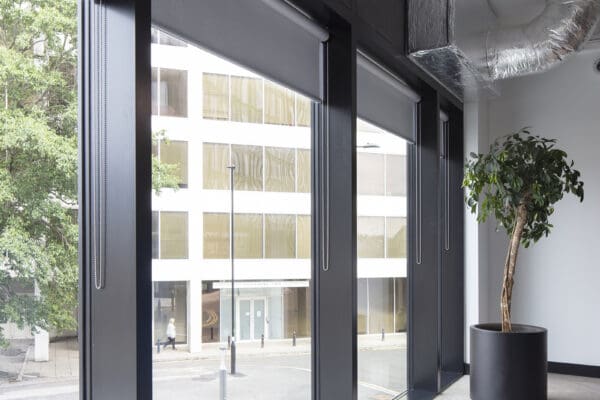
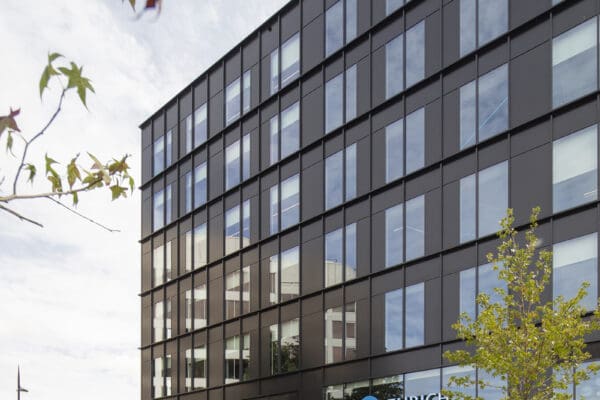
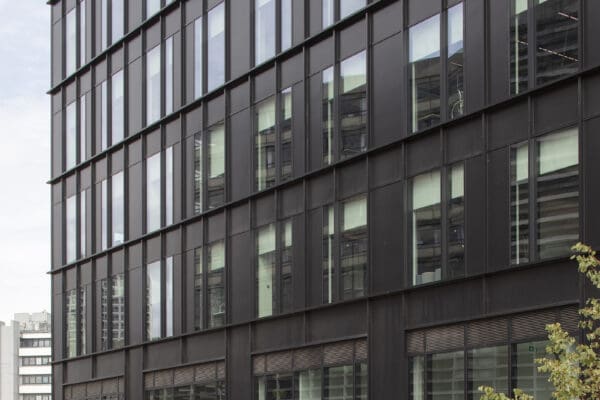
Zurich Office Swindon
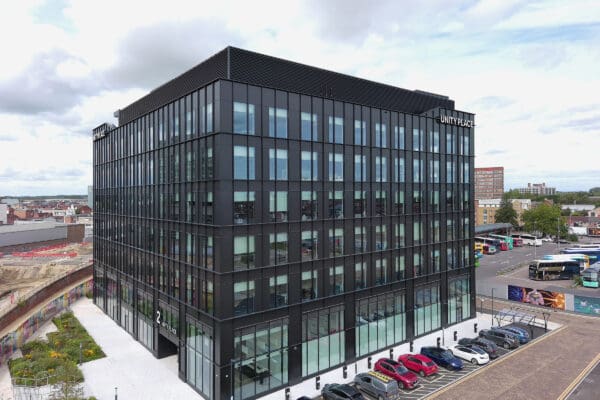
In the first quarter of 2023, Zurich, a renowned global multi-line insurance provider, opened its new office space in Swindon. The building marks a significant milestone in the company’s commitment to serving a workforce of more than 1,000 employees. Designed and built with a sustainability-first focus, the building places the well-being of its employees and the local environment at the forefront of its design and construction.
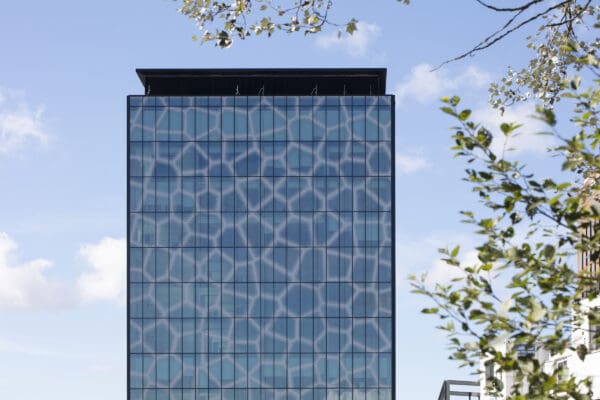
The Spine, Liverpool
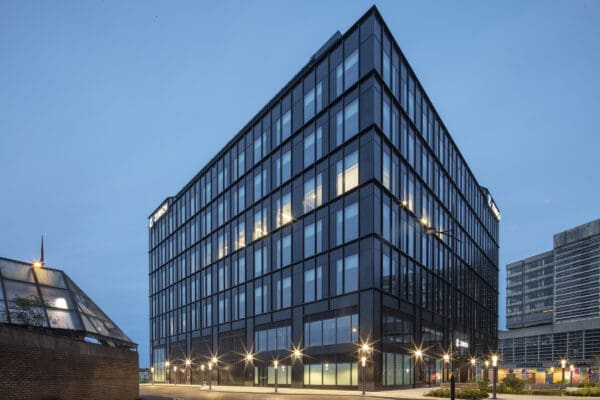
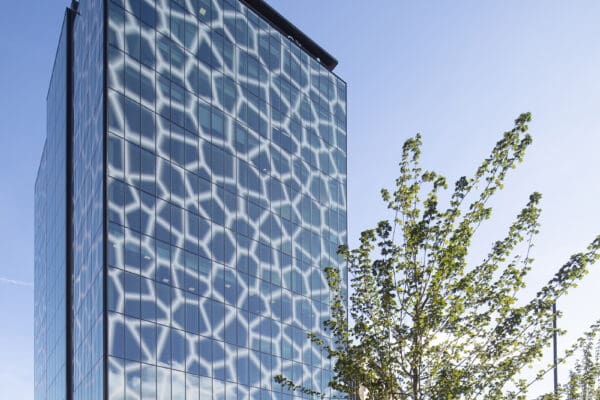
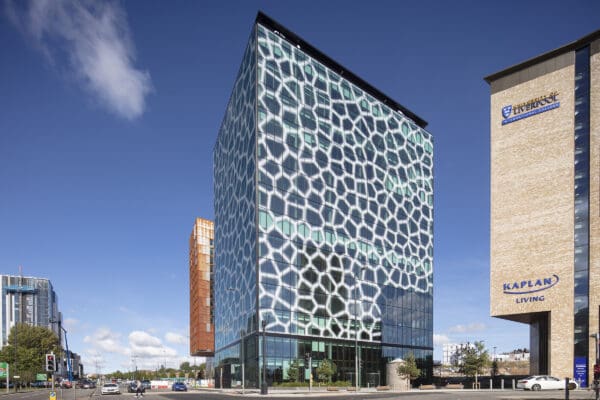
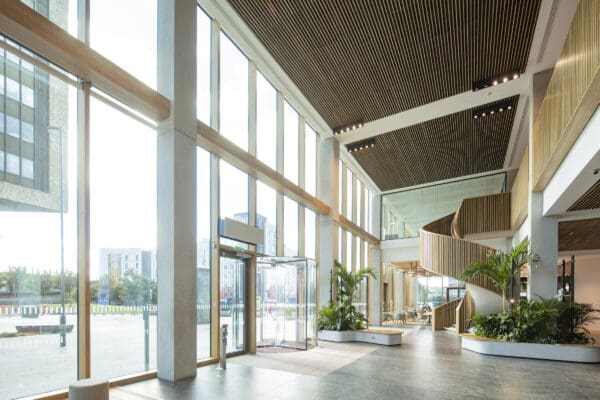
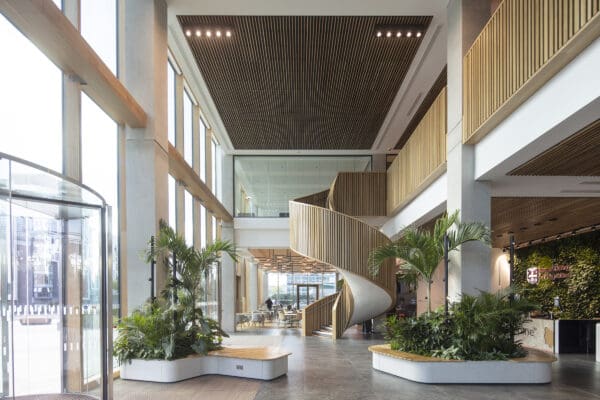
The development of The Spine was guided by sustainability consultants, aligning with Liverpool’s ambition to become a leader in science, health, and technology. The building’s innovative design and construction aim to enhance the health of its occupants. As one of Liverpool’s tallest buildings, The Spine also offers panoramic views of Snowdonia, the Lake District, and the Pennines, symbolising the city’s forward-looking vision.